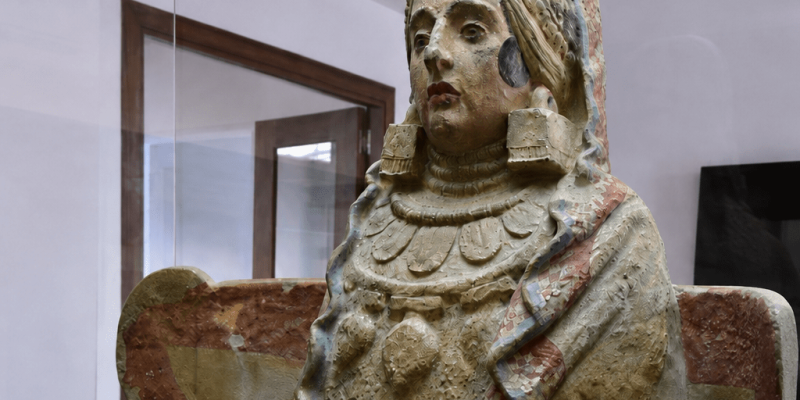
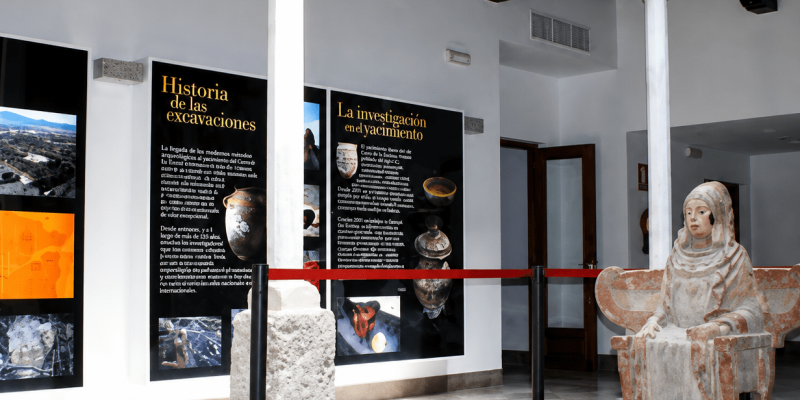
The highlight of a visit to this museum is the replica of the Lady of Baza, a funerary statue from the 4th century B.C. It is richly carved and polychromed, depicting a woman of the Iberian aristocracy, and it once held the ashes of a cremated woman (the original is housed in the National Archaeological Museum in Madrid).
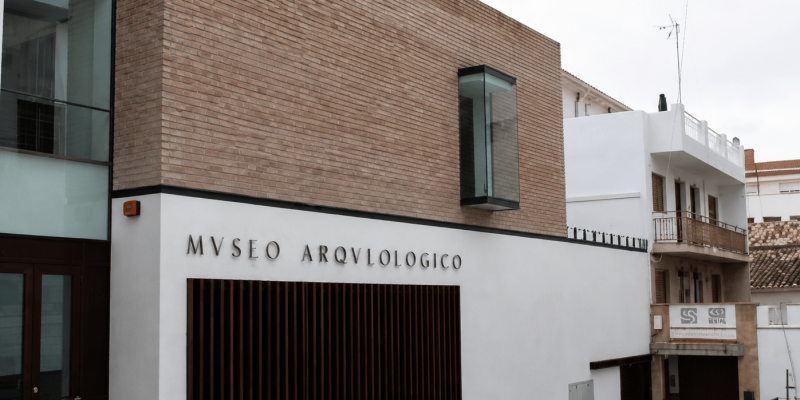
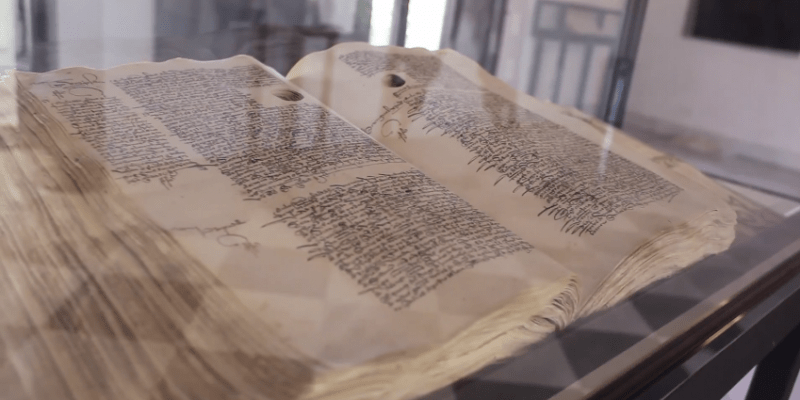
But the tour goes much further: spread across eight permanent exhibition halls within two historic 16th-century buildings (the former Renaissance Town Hall—the only surviving example of its kind in the entire province—and the Alhóndiga), the museumtraces the history and archaeology of Baza and its region from Prehistory to the Modern Age, covering Iberian culture (which makes up the bulk of its collection), the Roman, Visigothic, and Arab periods.
It is located in the heart of the city’s historic center, which has been designated a Site of Cultural Interest, next to the old Muslim medina. Every year, the museum also plays a central role in the Semana de la Dama de Baza, featuring cultural and recreational activities for people of all ages.